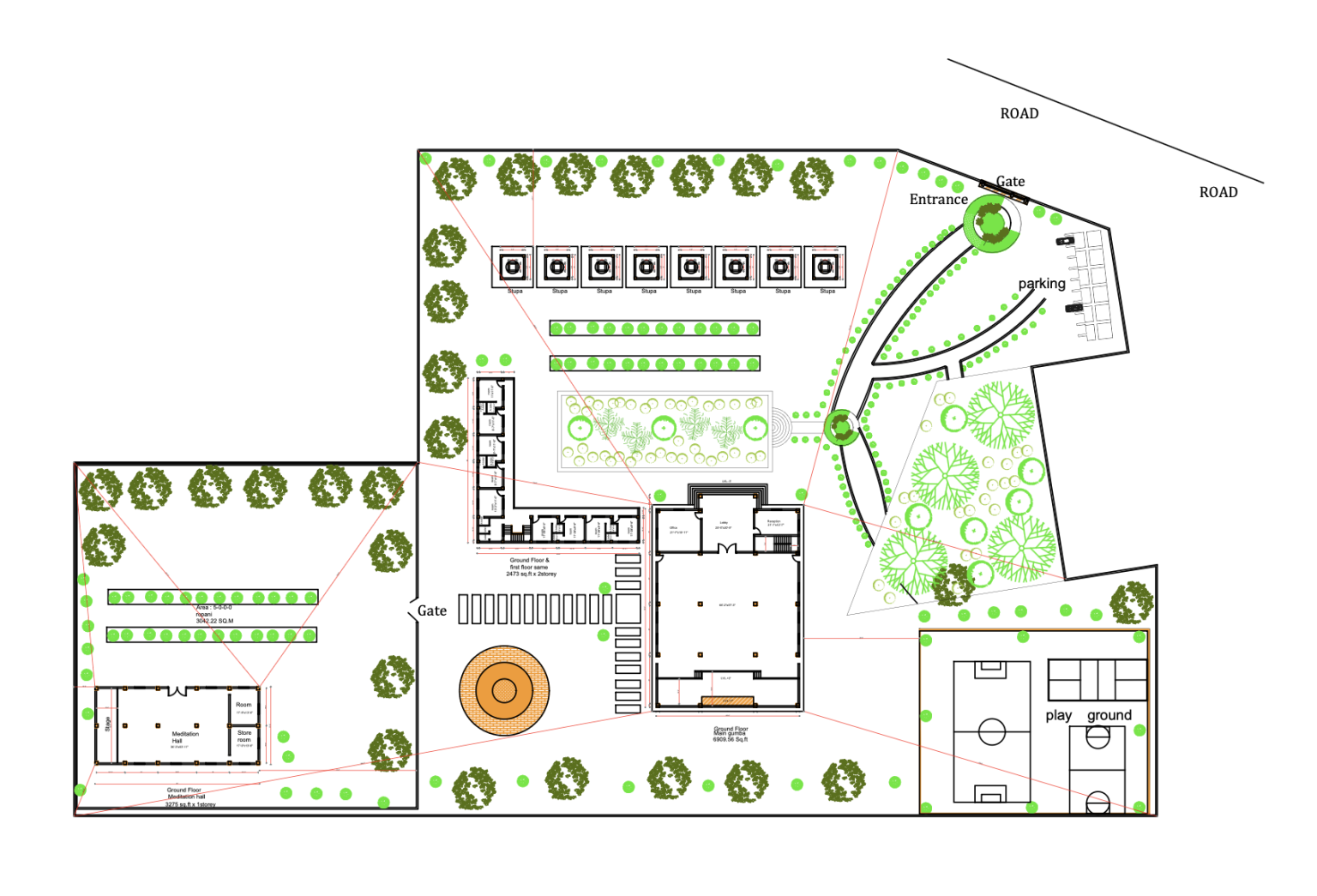
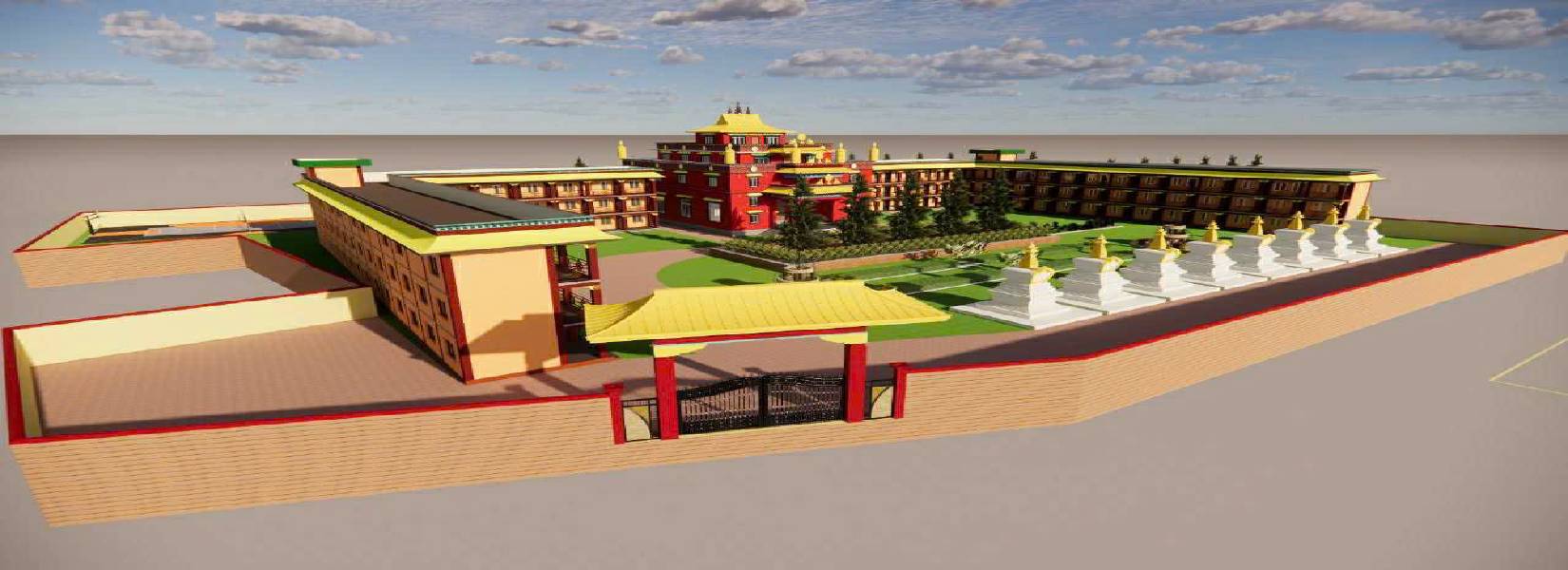
Monastery Project

1. Build a Monastery:
Land Estimation for Monastery Construction
- Remote Area (25 Ropani):
Estimated at $450,000 USD (approximately ₨62,640,000 NPR). - Remote Area Land Cost:
Estimated at $1,800 USD per Ropani (approximately ₨250,560 NPR per Ropani). - Urban Area Land Cost:
Estimated at $900 USD per Ana (approximately ₨125,280 NPR per Ana).
Conversion Reference:
- 1 hectare = 19.6 Ropani
- 1 Ropani = 16 Ana
Notes
- The above estimations are based on seasonal needs and expenses for 19 monks.
- Actual costs may vary depending on circumstances, such as the number of residents, seasonal conditions, or location changes.
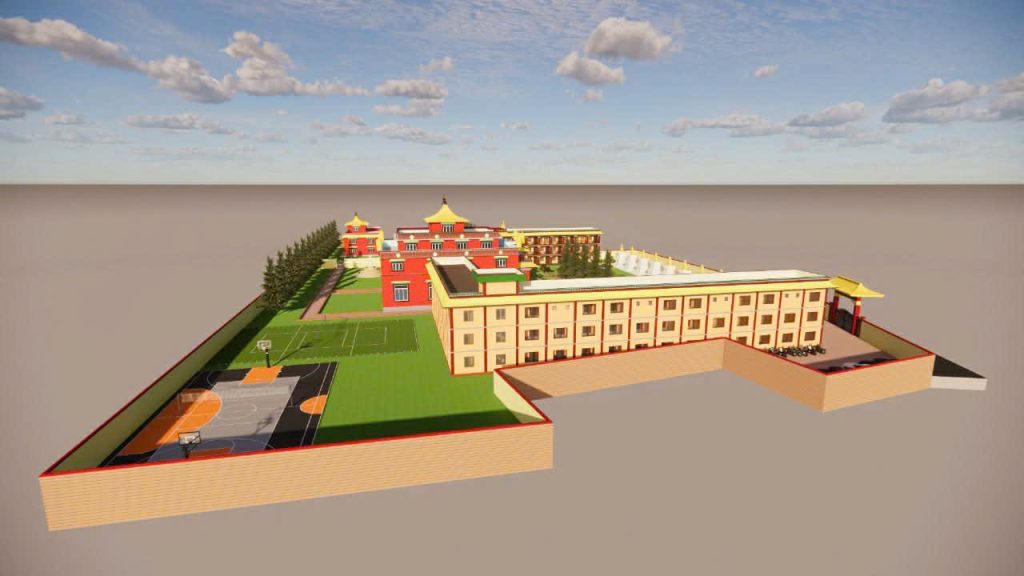
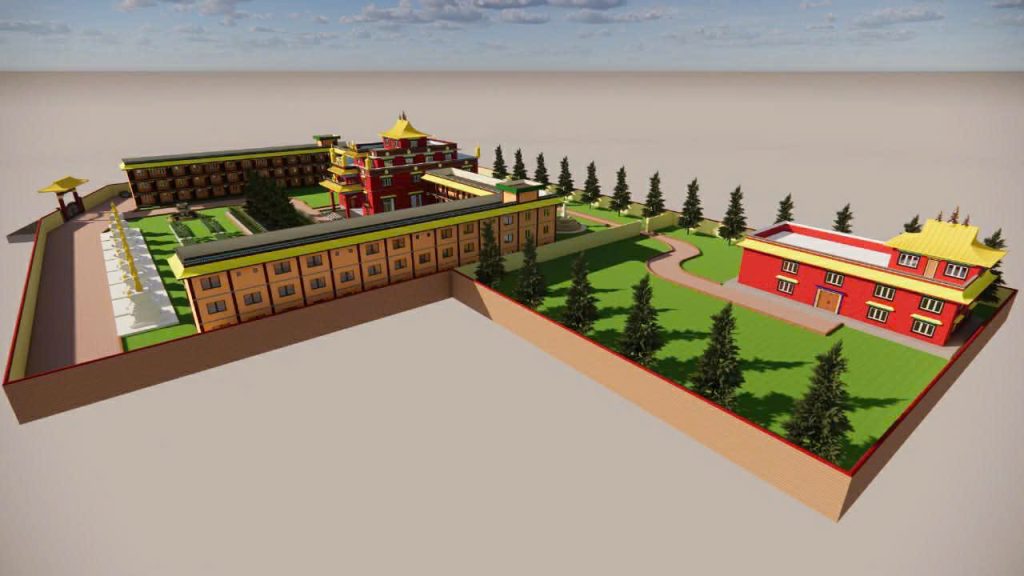
To propagate the Buddha’s teachings in the world:
Khenpo’s students based in Kathmandu, Nepal, requested that he build a monastery in the city to ordain and teach monks from their village. Khenpo compassionately responded that he would start a small monastery and take around 15 young monks under his care. Khenpo and his main students are currently working to raise funds to support the costs of this vision.
In recent years, Khenpo has established a meaningful connection with several towns in a rural Himalayan region of Nepal. Due to modernization and their remote location, the residents there feel they are losing touch with their Buddhist roots, largely due to a lack of spiritual guidance and support. In response, Khenpo has begun planning to offer teachings in the village.
Furthermore, Khenpo and his sangha intend to help build a monastery, retreat center, and stupa, and to reestablish the Buddha-dharma in the area.
Ven. Khenpo Rinpoche shares:
“The towns in Nepal are very poor and receive little to no financial support from the government. What I am most concerned about is their Buddhist culture being forgotten and disappearing from these towns. It would be a great loss for the people if they lose the identity to which they belong. Therefore, I am primarily helping them by building a monastery and supporting monks at my place so they can study Buddhist scriptures and philosophy in the traditional way.”
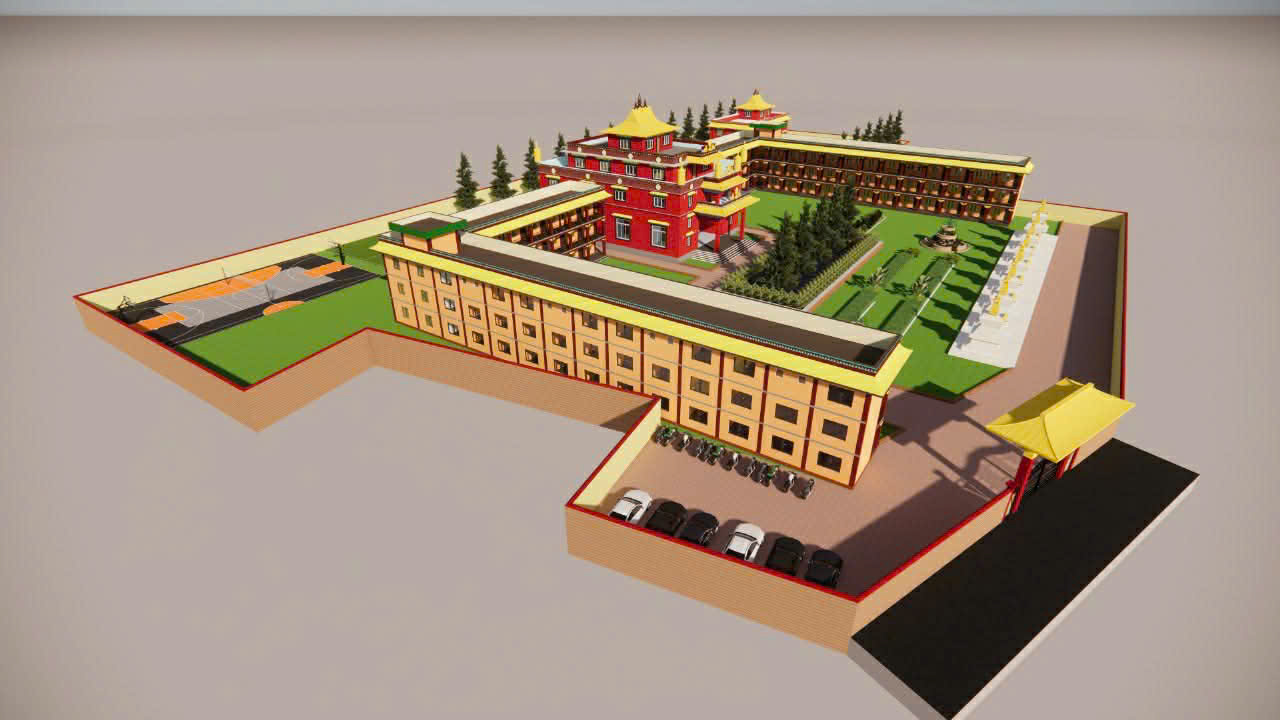
Revitalizing the Four Buddhist Villages: Water, Education, and Dharma
Background history:
When Khenpo first met Netra Tamang, a man from a town near Kathmandu, Netra shared the challenges his village faced and asked for support. Over time, Khenpo was invited to speak with more residents and eventually visited the town himself.
He found that the area was in dire need of support. Around 7,000 people live there, but the village lacks essential infrastructure such as clean water resources, schools, and a monastery for religious practice.
Netra Tamang explained:
“We don’t have knowledge about Buddhism and have no Gumba (monastery). We are all Buddhists, from four villages. Sometimes monks come and give us prayer flags, but we don’t know how to use them or perform ceremonies.”
Pal Dorje, the son of an elderly resident, added:
“Firstly, we have no available water resources. Secondly, there are no schools for children’s education. No one comes to our villages—it’s hard to bring anyone here.”
Ven. Khenpo Rinpoche observed:
“Generally, people in these towns show great interest in listening to the Dharma and appreciate it when monks hold ceremonies—even if in faraway places.”
Project Objective:
To provide essential infrastructure and spiritual support to four underserved Buddhist villages near Kathmandu, Nepal, focusing on:
- Clean water access
- Basic education
- A monastery for religious learning and practice
Background & Needs Assessment:
During a visit facilitated by Netra Tamang, Ven. Khenpo Rinpoche observed that the villages—home to approx. 7,000 people—suffer from:
- No clean water resources
- No schools for children
- No monastery or access to Buddhist education
- Limited outside support due to remoteness
Despite these challenges, the villagers express strong interest in Dharma and maintain Buddhist identity, but lack knowledge and resources to practice.
Project Goals:
Water Security:
- Build a sustainable water supply system (well, filtration, and storage).
Education Infrastructure:
- Establish a primary-level school with basic facilities.
Spiritual Revitalization:
- Construct a monastery (Gumba) to serve as a center for rituals, teachings, and community events.
- Conduct basic Dharma training and regular ceremonies.